

The Benefits of Electric Stoves
The range is at the heart of every kitchen. It's a crucial appliance in your kitchen whether you're cooking pancakes on a Saturday morning, or roasting a Thanksgiving turkey.
If you're living in a rented apartment or a community without gas lines, an electric stove may be your only choice. Here are a few pros and cons of this kind of stove.
Energy Efficiency
For some cooks, nothing is comparable to the roar, click and bloom of blue flames licking the edges of the pot. But those same flames create harmful poisons that are harmful to the environment and your health. Natural gas stoves have been associated with asthma and respiratory ailments. A growing number of cities, states and countries are imposing bans on new natural gas connections for buildings and homes. Electricity reduces exposure to these toxins and helps protect the environment and government programs provide rebates to offset the costs.
Electric stoves plug into the standard 240-volt outlet to provide power and make use of electricity to heat cookware. Traditional electric stoves, be it coil ranges or flat tops make use of heating elements in the form of exposed metal coils or electromagnetic waves under an acrylic-glass surface. When the coils are hot or magnetic fields are active, you can place your cookware directly on top of them to warm it. Induction stoves operate differently by using magnetic currents to directly heat the cookware without a metal coil or the surface.
Whatever way your stoves function, you can trim your energy costs by using the lowest possible heat settings and by choosing the appropriate cookware. Cookware that is lighter cooks more quickly, flat bottoms transmit heat better and some metals (such as copper) conduct heat more efficiently than others. Making sure you use the right size pot on the stove can cut down on energy use by 40 percent.
When compared to the energy consumed by your refrigerator and other appliances the electric stove consumes considerably less. You can save even more money by using a timer for the oven to shut off and making use of an induction-compatible stove for quick meals.
Another method to reduce your energy bill is to purchase a new electric stove from an environmentally conscious manufacturer, and consider investing in solar panels or wind turbines to power your home. Since the source of electrical power is usually fossil fuels, it's not necessarily a green move, but it is an important step in the right direction. Natural gas production and transport practices can also be a factor in climate change.
Convenience
Electric stoves do not require gas lines and are a great choice for homes who do not want to deal with the hassle of maintaining or repairing gas lines. They are more efficient at heating than gas and are less difficult to clean, making them a popular option for those who are concerned about the energy cost. Shop Slager Appliances for high-quality electric ranges.
The heating elements of an electric stove are layered in an array that results in more precise and rapid heat control than gas stoves. They also don't hold heat for as long, which reduces the risk of burns. Electric ranges also have an even surface that is easier to clean than other types of cooktops. This makes them a great option for families with pets or children who could accidentally spill food on the stovetop.
Many electric stoves have a convection oven, which makes use of hot air to circulate within the oven, and then warm up any cold spots. This results in more consistent oven heat and allows you to achieve the best results with dishes such as braised meats and proofed breads. If you're thinking of buying an electric range that you can buy, consider one that features American or European convection to improve your cooking experience.
While gas stoves are a popular choice, more and more homeowners are choosing to replace them with electric models. Electric stoves aren't just more convenient and cheaper however, they are also environmentally friendly. Electric stoves are more environmentally friendly than gas stoves because they consume less fossil fuel and produce less greenhouse gases, which helps to protect the climate. They also produce lower levels of carbon monoxide, an extremely dangerous byproduct of combustion that could cause poisoning.
Whatever you choose to use, electric or gas stoves the choice is based on the type of cookware that you have and how often you use your kitchen. For instance gas stoves are great for grilling and charring food and electric cookware is best for soups and stir fry. When deciding between gas and electric stoves, consider your cooking style as well as the accessibility of natural gas connections in your area. You might also want to look into local energy rebates, since the government is currently offering billions of dollars in incentives to help you switch to electric.
Safety
The primary drawback of electric stoves is that if you fail to shut off the burners or leave them on for too long, they may spark an fire. This is a risk for any stove and could happen even with gas ranges. The good news is that these incidents typically are caused by human error, for example, sleepy cooks or forgetful owners who leave the stove on. Most stoves are equipped with protection against overheating and flame failure protection to prevent these fires.
One of the most common ways people get burned on electric stoves is by touching the hot surface or dropping something onto it. This is not an issue with modern glass-topped ranges with a flat, smooth surface that is flush with the counter. This makes them easier to clean than gas stoves that have grates over each burner.
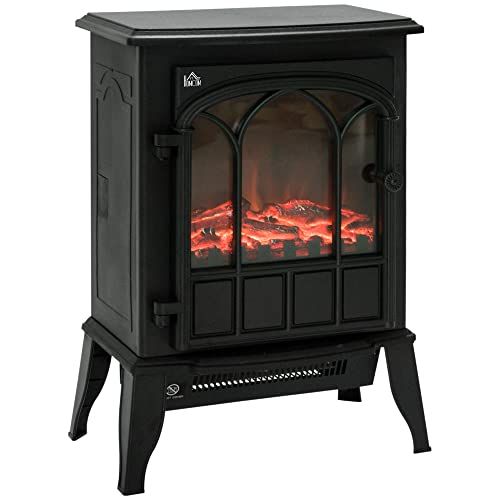
electric wood burner stove are equipped with sensors that detect spills and stop the stove if there are any. This is a vital feature for elderly homeowners who are suffering from declining cognitive function and could not remember to check the stove prior to leaving the home.
Induction cooktops, which generate heat using magnetic fields, are also popular. They are also efficient in energy use and can reduce the risk of burn injuries due to the fact that they are able to heat precisely. Induction stoves are more expensive than traditional glass or coil stoves, but they're well worth the cost for safety and ease of use.
Electric stoves require 240 volts to move between two legs of current. If one leg is cut off by fuse that has been blown or another issue (via Appliance Repair Specialists), the stove won't function. This is a huge issue for homeowners living in areas that are subject to frequent storms or power outages. A new fuse can fix the problem and restore the stove's functionality.
Maintenance
Electric stoves work by using electricity to heat the metal coils that are placed beneath the burners. These coils are used to heat the pans or pots that are positioned on the top. It's these coils that need to be kept clean. Food debris or spills could stop the heating elements of an electric stove from working properly, leading to ineffective cooking and increased costs for energy. Some stains can be stubborn on an electric cooker, but some can be cleaned with an easy cleaner and a scrubby cloth.
Aside from removing burnt-on debris, it's recommended to clean the electric stove after every use to ensure that it is clean and operating efficiently. Keep the burners and stovetop clean to prolong the life of your appliance. To avoid scratching the surface of a stovetop that is electric, a nonabrasive pad should be used.
A routine cleaning will keep your electric stove in good condition. Most manufacturers recommend a regular cleaning with warm water and mild detergent or a non-abrasive, household cleaner. The frequency of cleaning depends on your lifestyle, the quantity of food you cook on the stove and where the area is located. Certain areas require more frequent cleaning than others.
Most electric stoves come with coils that can be easily removed and can be cleaned by hand. However, the electric coils should not be submerged or soaked as a result of the possibility of electrical issues.
electric log stoves is also recommended that a periodic maintenance service be performed every year, typically in the spring or fall before lighting the stove to prepare for winter. The technicians who conduct this service can perform an extensive inspection of the stove to make sure all components are functioning correctly and to make sure there are no problems that could cause the heater to break down in the future. The technician will be able to diagnose and fix any problems quickly in the event of a break down. This is typically less expensive than replacing the stove.